By Rick Harvey
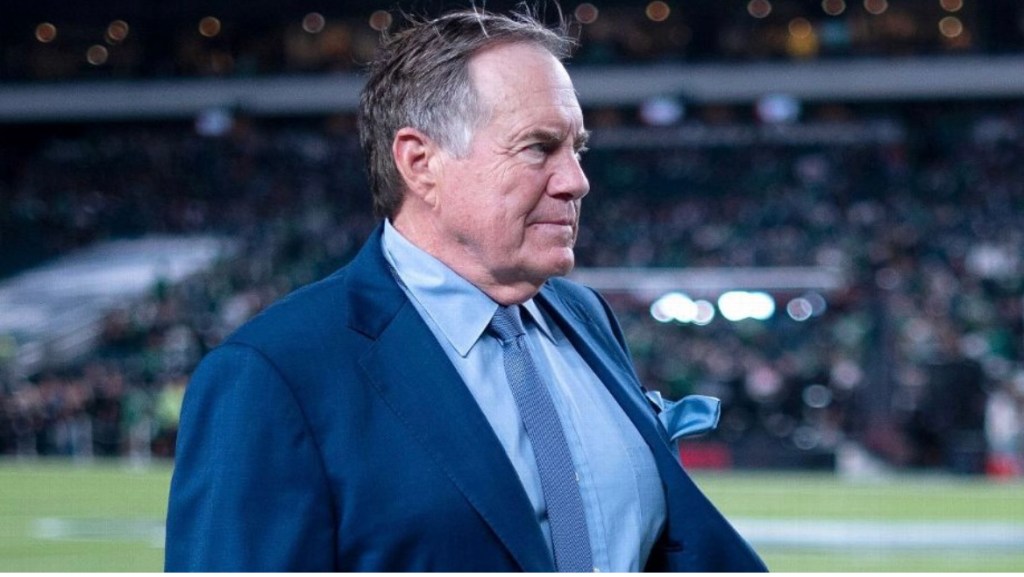
Bill Belichick’s transition from the NFL to college football has been a hot topic, especially given his illustrious career with the New England Patriots. The move to North Carolina was seen by many as a way for Belichick to escape the intense political landscape of the NFL. However, the reality of college football today, with the advent of Name, Image, and Likeness (NIL) rights and the transfer portal, presents its own set of political challenges.
In the NFL, Belichick was accustomed to a highly structured environment where player contracts, trades, and team dynamics were governed by a well-defined set of rules. The politics of the NFL often revolved around salary caps, player negotiations, and the intricate dance of maintaining team cohesion while managing egos and expectations. Belichick’s mastery of this environment is well-documented, but the college landscape is a different beast altogether.
The introduction of NIL rights has fundamentally changed the college sports ecosystem. Student-athletes can now monetize their personal brands, entering into endorsement deals and sponsorships that were previously off-limits. This shift has introduced a new layer of complexity to college recruiting and team management. Coaches must now navigate the delicate balance of supporting their athletes’ financial ambitions while maintaining team unity and focus. The NIL era has effectively turned college athletes into mini-entrepreneurs, each with their own brand and marketability, adding a new dimension to the politics of college sports.
The transfer portal further complicates matters. It offers athletes unprecedented freedom to switch schools, often driven by the pursuit of better NIL opportunities or more favorable playing conditions. This has created a highly competitive environment where coaches must constantly recruit not only new talent but also re-recruit their existing players to prevent them from transferring. The transfer portal has become a strategic battleground, with coaches vying to attract and retain top talent in an ever-shifting landscape.
Belichick’s challenge at North Carolina will be to adapt his NFL-honed skills to this new reality. While he may have sought to escape the politics of the NFL, he now faces a different kind of political game in college football. The NIL and transfer portal have democratized power, giving athletes more control over their destinies and introducing new dynamics that coaches must navigate. Belichick’s success will depend on his ability to embrace these changes and leverage his extensive experience to build a cohesive and competitive team in this new era of college sports.
In conclusion, while the move to college football might have seemed like an escape from the politics of the NFL, the reality is that the college game is equally, if not more, politically charged. The NIL and transfer portal have transformed the landscape, creating a complex environment that requires a new set of skills and strategies. Belichick’s journey at North Carolina will be a fascinating case study in adaptation and resilience, as he navigates the intricate politics of modern college football.

